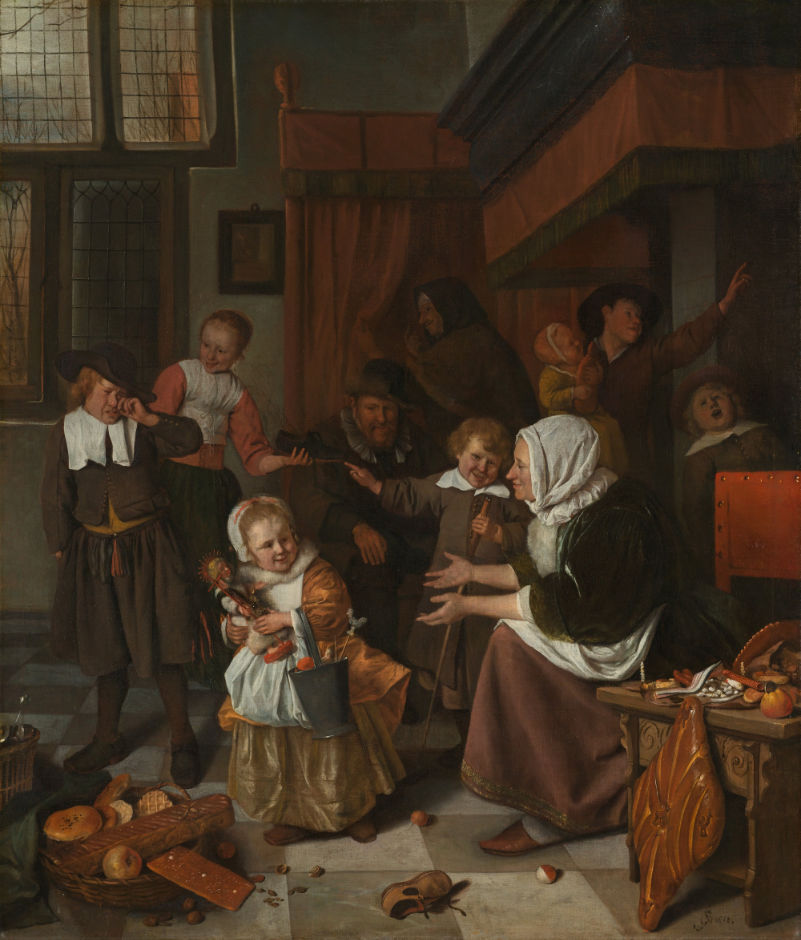
The history of giving gifts during the holidays goes back to the beginning of time. The Romans exchanged gifts during Saturnalia, a festival in mid-December to honor the agricultural god Saturn. The Christmas custom of giving gifts to children grew out of a legend in the first century CE, when St. Nicholas is said to leave presents in December. In the Renaissance, giving small gifts to children became a popular tradition in Europe. Giving gifts to adults as well became more popular in the 19th century with the movement of handmade vs. mass produced works of art.
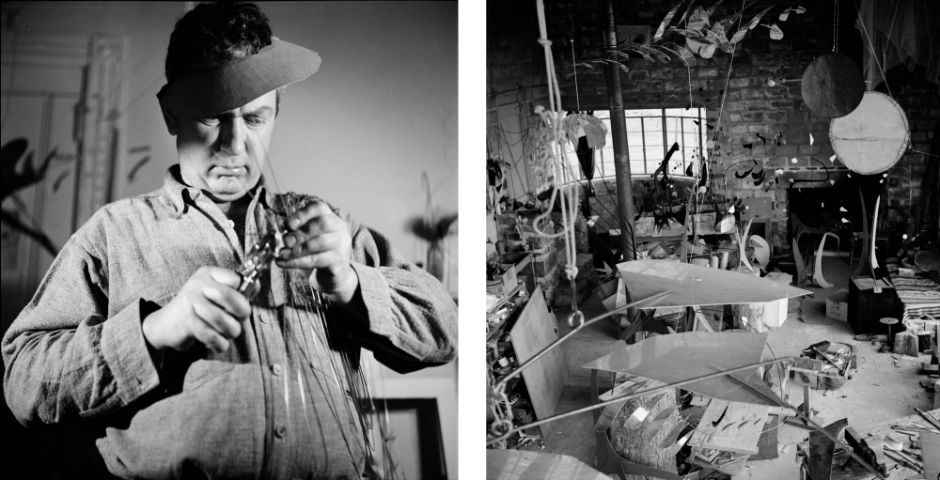
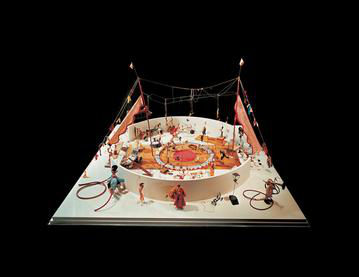
In the 20th century Alexander Calder invented the mobile, something we are all familiar with hanging over baby cribs and even in public spaces. As a child he created his own toys from wood, wire, string, tin cans, and cigar boxes. They were kinetic, with movable parts. While living in Paris from 1926-1937 he built a famous miniature circus using levers and strings to animate acrobats, animals, and performers. While it no longer could be operated the circus lived at the Whitney Museum of American Art when it was located on Madison Avenue for many years. It is still in the museum’s collection but not currently on display.
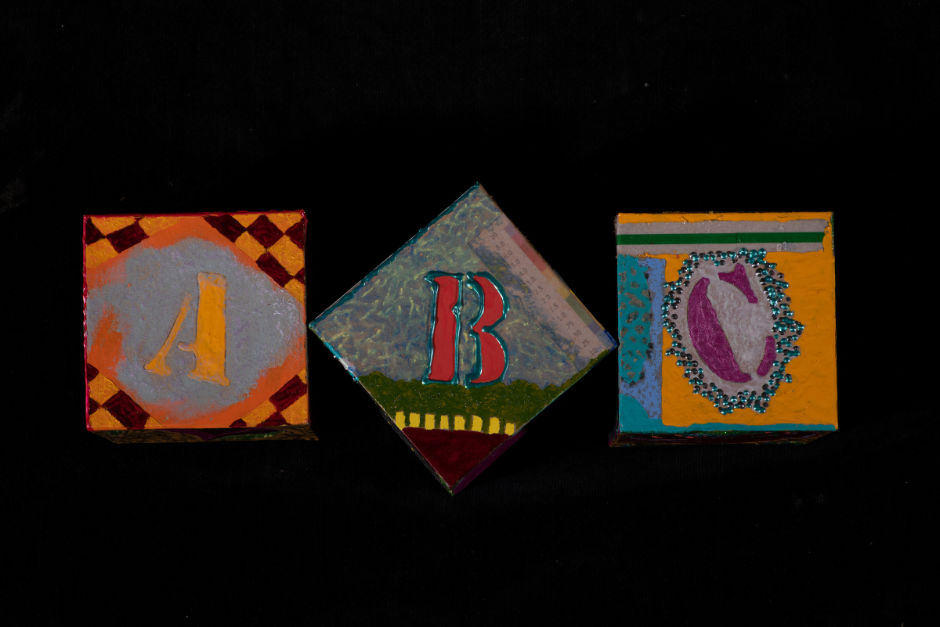
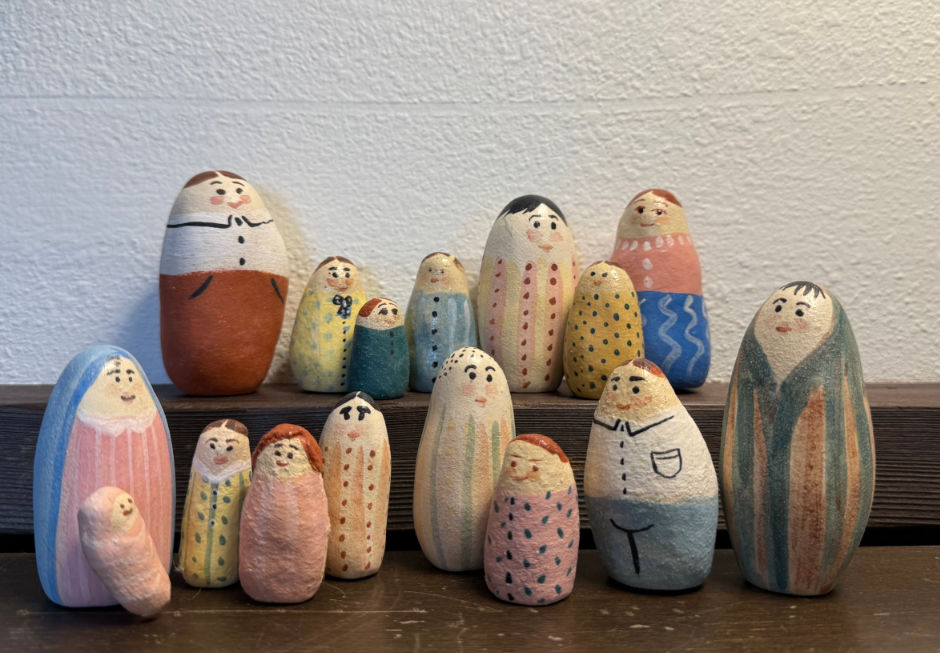
This month you will see toys for children as well as adults at Partners Gallery. The local woodworkers will be sharing their creations and adult toys by Paula Gray and Adrian Card are sure to amuse you. Matthew Gauden’s Rube Goldberg style sculptures are called rolling ball sculptures. Gallery artists will be sharing alphabet blocks, ornaments, and nesting style dolls.